Skip to content
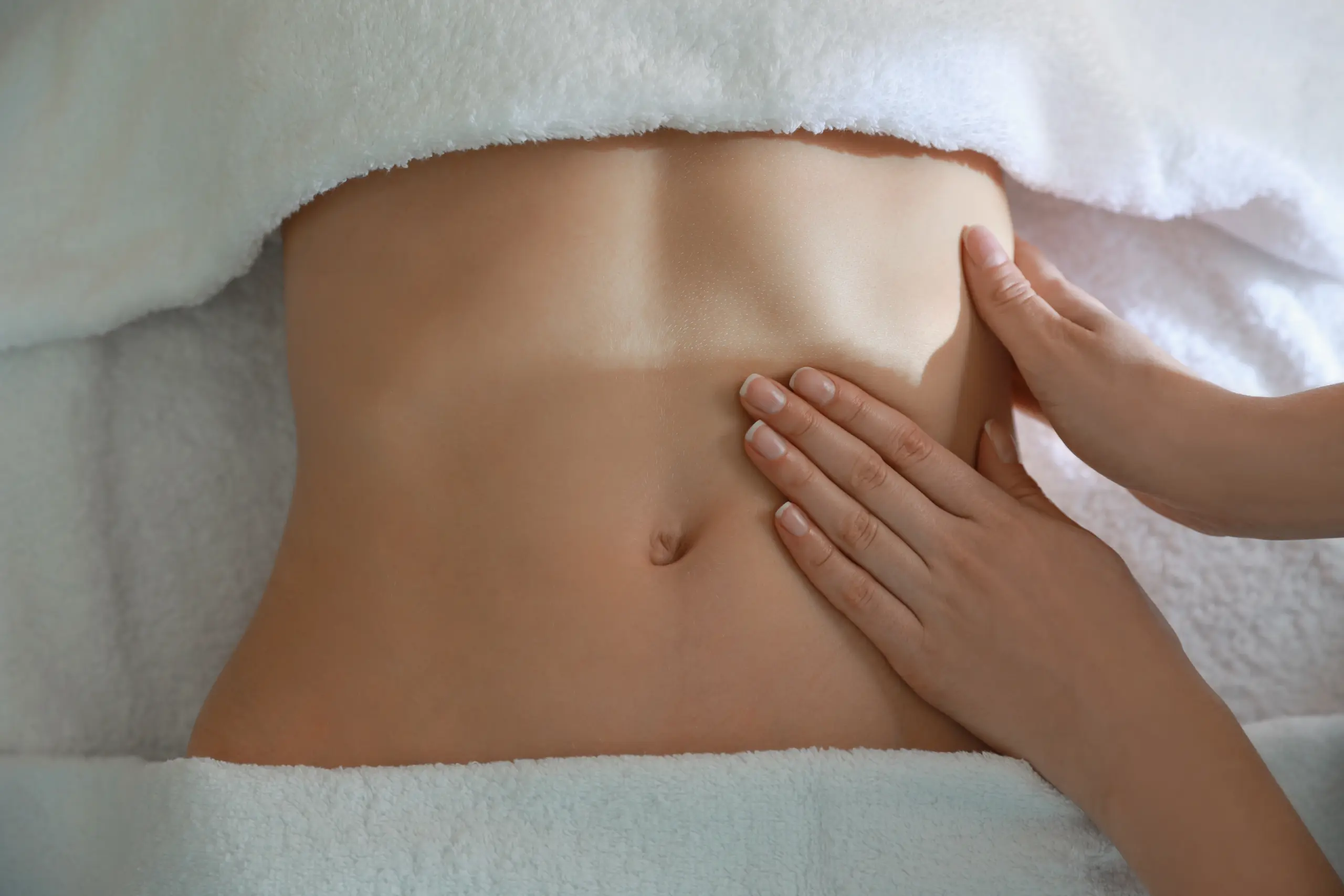
Table of Contents
That heavy, puffy feeling and persistent bloating are often signs your body isn’t moving fluid as efficiently as it should. Lymphatic drainage massage is designed to support that process, helping reduce swelling, ease fluid retention, and improve how your body feels during recovery, periods of stress, or everyday imbalance.
Understanding how fluid buildup contributes to bloating and swelling
The lymphatic system is responsible for transporting excess fluid, proteins, and waste products away from tissues. Unlike the circulatory system, it lacks a central pump. Movement, breathing, and external stimulation all play a role in keeping it active.
When that system slows down, fluid can settle in certain areas instead of circulating properly. This is often when swelling becomes more noticeable. A lymphatic system drainage massage is designed to gently guide that fluid toward lymph nodes, where it can be filtered and reintroduced into circulation.
This process does not force the body to do something unnatural. Instead, it supports a function that may not be operating as efficiently as it should.
How lymphatic massage helps reduce stomach bloating
Abdominal bloating is often linked to digestion. However, fluid retention can create a similar sensation. A firm, stretched feeling in the midsection may point to congestion within the tissues rather than gas alone.
A focused lymphatic massage for stomach bloating works along the abdominal area and nearby lymphatic pathways. The goal is to encourage drainage so that fluid does not remain trapped in the tissues.
As this process improves, the abdomen may feel less tight and more comfortable. Some patients also highlight that the visible distention softens over time. The change is typically gradual and depends on how consistently the lymphatic system is supported.
Why does swelling respond well to lymphatic drainage
Swelling tends to develop when fluid collects faster than the body can move it out. This can happen after surgery, during hormonal shifts, or even after long periods of inactivity.
Lymphatic drainage for swelling addresses this by using light, rhythmic movements that follow the direction of lymph flow. These techniques stimulate the superficial lymph vessels without applying deep pressure.
Manual lymphatic drainage is especially useful in this context because it focuses on precision rather than intensity. The body responds better to gentle guidance than to force when it comes to fluid movement.
As circulation improves, swelling may begin to settle. The area can feel less tense, and movement may become more comfortable.
The connection between lymphatic function and recovery
Recovery involves several internal processes happening at once. The body is managing inflammation, repairing tissue, and clearing out byproducts of physical stress. The lymphatic system plays a role in each of these areas.
A well-timed lymphatic massage recovery session can support this process by helping the body manage fluid buildup. After surgery, this may help reduce pressure in the affected area. After exercise, it may assist in clearing metabolic waste that contributes to soreness.
This approach does not replace rest or medical care. It works alongside them, helping the body move through recovery with less resistance.
Exploring lymphatic detox and overall balance
The concept of lymphatic detox often refers to supporting the body’s natural ability to clear waste. The body already performs this function, but certain factors can slow it down. Reduced movement, stress, and daily habits all influence how efficiently lymph fluid circulates.
Consistent lymphatic drainage can help maintain this flow. Instead of allowing fluid to sit in the tissues, the system is encouraged to keep moving.
This may contribute to a more balanced physical state. Some individuals describe feeling lighter or less congested, especially when sessions are combined with hydration and regular activity.
What to expect during a lymphatic massage session
A typical lymphatic massage session is quiet and methodical. The movements are slow, with a light touch that follows the structure of the lymphatic system.
There is no deep pressure or aggressive technique. The focus remains on guiding fluid rather than working through muscle layers.
During the session, most patients experience a sense of calm. Afterward, subtle changes may be noticeable. These may refer to reduced tightness in certain areas or a general feeling of ease. The effects tend to build with consistency rather than intensity.
Understanding lymphatic massage benefits without overstatement
Supports fluid balance
One of the most recognized lymphatic massage benefits is its ability to support fluid balance. When lymph flow improves, excess fluid is less likely to accumulate in the tissues. This can help reduce the sensation of heaviness that often comes with retention.
Reduces visible swelling
Another benefit is the potential reduction in swelling. By encouraging proper drainage, the body may process fluid more efficiently. This is particularly relevant for areas that tend to hold fluid, such as the legs, abdomen, and face.
Aids in recovery
Supporting recovery is another reason people turn to this therapy. A lymphatic massage recovery approach may help the body manage inflammation and clear waste after physical strain or procedures. This can contribute to a smoother recovery experience.
Promotes a sense of physical ease
Beyond visible changes, many people notice a shift in how their body feels. Less tightness and improved circulation can lead to a more comfortable, balanced state overall.
When lymphatic drainage therapy makes sense
People often explore lymphatic drainage massage when their body feels persistently heavy, swollen, or slow to recover. These sensations are not always tied to a single cause, which is why a supportive approach to fluid movement can be helpful.
When the lymphatic system is encouraged to function more efficiently, the body may feel less burdened by excess fluid. This shift can influence everything from comfort in the abdomen to how quickly the body recovers after strain.
Abbracci Wellness Center Lymphatic Drainage Massage in Saint Johns, FL
For those considering Lymphatic Drainage Massage in Saint Johns, FL, Abbracci Wellness Center offers a structured and thoughtful approach to care.
One of the therapies used is Flowpresso®, an FDA Class II medical device that combines compression, thermotherapy, and deep pressure therapy. This system applies controlled pressure and heat in a sequence designed to support lymphatic circulation and influence the body’s relaxation response.
At Abbracci Wellness Center, our team integrates Flowpresso® into a broader, evidence-informed framework. Each session is approached with attention to safety and individual needs, allowing care to be adjusted based on the person rather than a fixed routine.
Book Your Lymphatic Drainage Therapy Session.
Frequently Asked Questions
What does lymphatic drainage massage do?
Lymphatic drainage massage helps move excess fluid through the lymphatic system to support circulation and reduce swelling.
Can lymphatic massage help with bloating?
A lymphatic massage for stomach bloating may help reduce fluid-related abdominal tightness by encouraging proper drainage.
How often should you get lymphatic drainage therapy?
The frequency of lymphatic drainage sessions depends on your needs, but many people benefit from weekly treatments during active concerns.