
A2M: Alpha-2 Macroglobulin
Alpha 2 Macroglobulin (A2M) injections
Joints acting like grumpy old doors that won't stop squeaking? Meet A2M + PRP—the dynamic duo kicking inflammation to the curb (without surgery or sketchy pills)!
How This Tag-Team Works (Simple Version):
A2M: Big boss protein from your blood that traps & trashes the "cartilage eaters" causing osteoarthritis (OA) pain & breakdown. (Like a bouncer for your joints!)
PRP: Your blood spun super-concentrated with growth factors—injects repair squad to rebuild tissue, collagen, & summon stem cells.
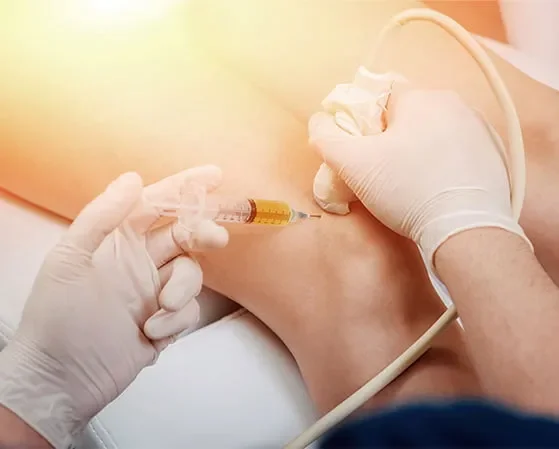
Together? A2M guards the fort while PRP rebuilds it. Quick ultrasound-guided shot, minimal ouch.
Perfect For You If:
Joint pain's ruining your groove.
Want natural healing over drugs/scalpels.
Results? Many feel less pain, more zip—but talk to us first, everyone's different! Who's ready to oil those hinges?
Benefits of A2M with PRP
Reduces inflammation and pain in the joint, providing long-term relief for chronic conditions like osteoarthritis, tendinopathy, and injuries.
Stimulates cartilage and tissue regeneration, helping patients maintain better joint function and mobility.
Minimally invasive, performed as an in-office procedure with little downtime, allowing for a faster return to daily activities.
Offers a safe and effective alternative to surgery or long-term medication, supporting natural healing processes in the body.
Clinically shown to produce rapid improvements in pain and swelling, with sustained benefits when compared to PRP alone.
Frequently Asked Questions
-
A2M is most often used for:
Mild to moderate osteoarthritis of the knee, hip, shoulder, and other major joints.
Chronic joint injuries, including shoulder, elbow, and other wear-and-tear problems.
-
A small amount of your blood is drawn and processed to isolate and concentrate A2M. Using imaging guidance (such as ultrasound), the concentrated A2M is then injected directly into the target joint.
-
Many patients experience reduced pain, less stiffness, and better function over several weeks as inflammation decreases. Early research suggests A2M may help slow cartilage breakdown and protect joints, especially in earlier stages of osteoarthritis, but long-term data are still developing.
-
Some patients notice relief within days, while others see gradual improvement over 4–12 weeks. Clinical studies show A2M can provide modest pain and function improvement that is similar in the short term to treatments like PRP or corticosteroid injections.
-
Duration of benefit varies; some patients report sustained relief for many months to years, while others may need repeat treatments. Because A2M aims to address underlying inflammatory enzymes rather than just masking symptoms, it may offer longer-term joint protection in selected patients, especially with early disease.
-
A2M is not a cure, but it may slow or halt aspects of the degenerative process and reduce symptoms. It is best considered as part of a comprehensive plan that can include exercise, weight management, physical therapy, and other regenerative or supportive treatments.
-
A2M focuses on neutralizing destructive enzymes and inflammatory mediators, whereas PRP mainly delivers growth factors and steroids primarily reduce inflammation.
-
Good candidates typically have mild to moderate osteoarthritis or chronic joint or disc pain that has not responded well to basic conservative care but are not yet ready for surgery. Patients with very advanced “bone-on-bone” arthritis, severe joint deformity, or certain systemic conditions may have less predictable benefit and may need other options.